
Studio products · A' Design Award, Silver 2019
Portable gas stove HERBET
A palm-sized gas stove that opens with one push. You press the head and the base towards each other, the legs and the pot support open together, and when you screw on the gas pipe it locks the stove open.
- Closed
- 40 mm diameter · 130 mm high
- Open
- Legs 130 mm in diameter · pot support 90 mm
- Materials
- Laser-cut stainless steel · CNC-machined brass
- Award
- A' Design Award, Silver, 2019
- Published
- Yanko Design, 2020
- Design and photography
- Idan Herbet
Research


Views


Press it, and it stands
There are no parts to assemble in the field. When it is closed, the tension of the mechanism holds it closed, and the hexagonal body has no sharp corners. Three legs give stability on uneven ground, and the arms that hold the pot are serrated so the pot does not slip.


Form research: a wall anchor
It all started with a simple wall anchor that expands when you tighten it. This movement was explored on steel tubes that were cut and reinforced in specific places, so that one part expands when another contracts. That made it possible to control the geometry and test hundreds of forms, until the product the mechanism really serves was found. To add hinges, the round tube became a hexagon. The project began in December 2017 as a metalwork exercise in my industrial design studies, and ended in March 2018.


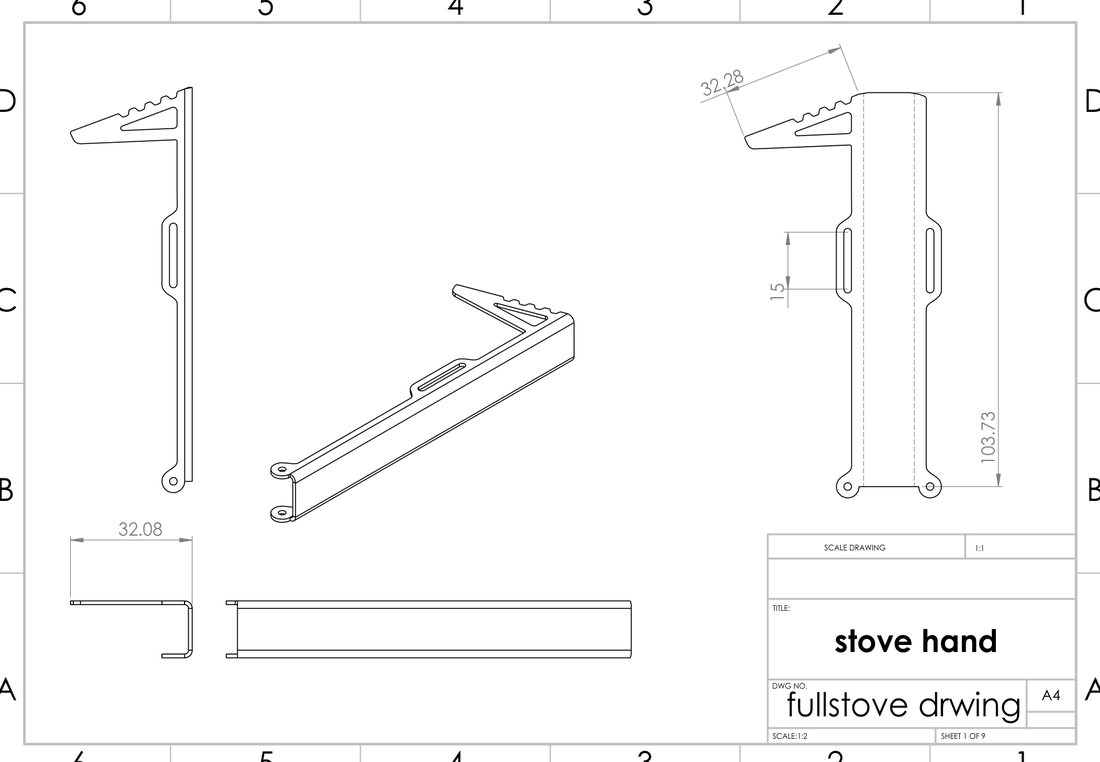
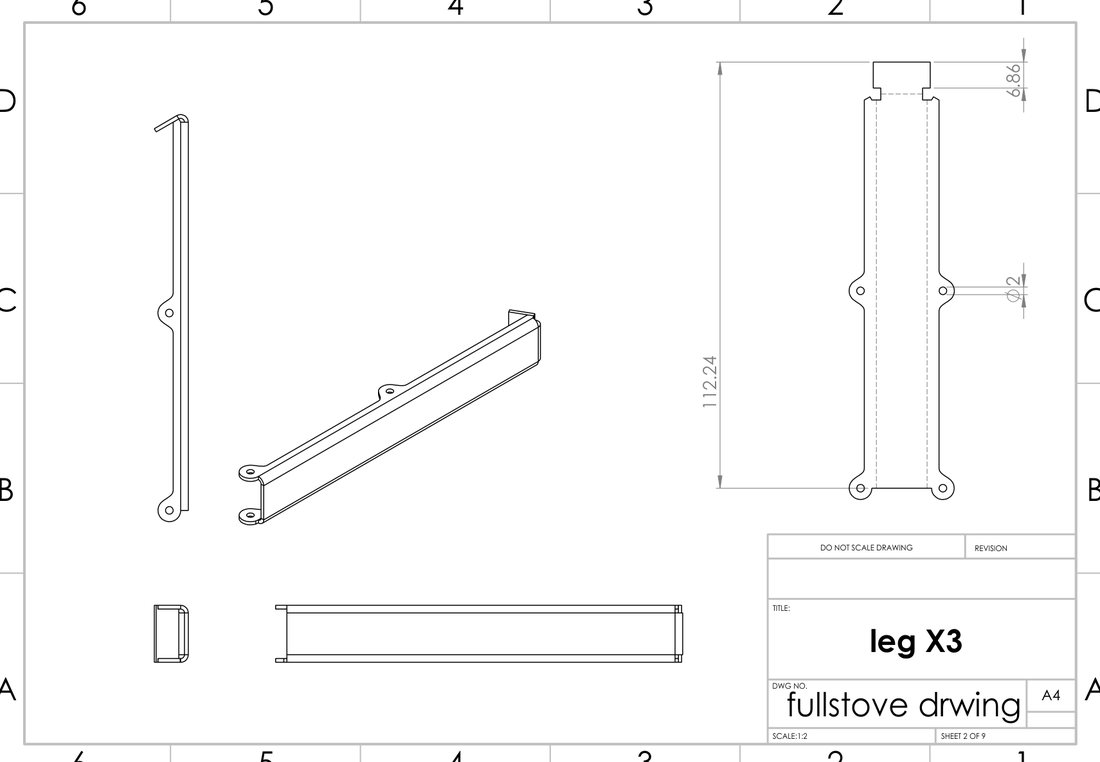
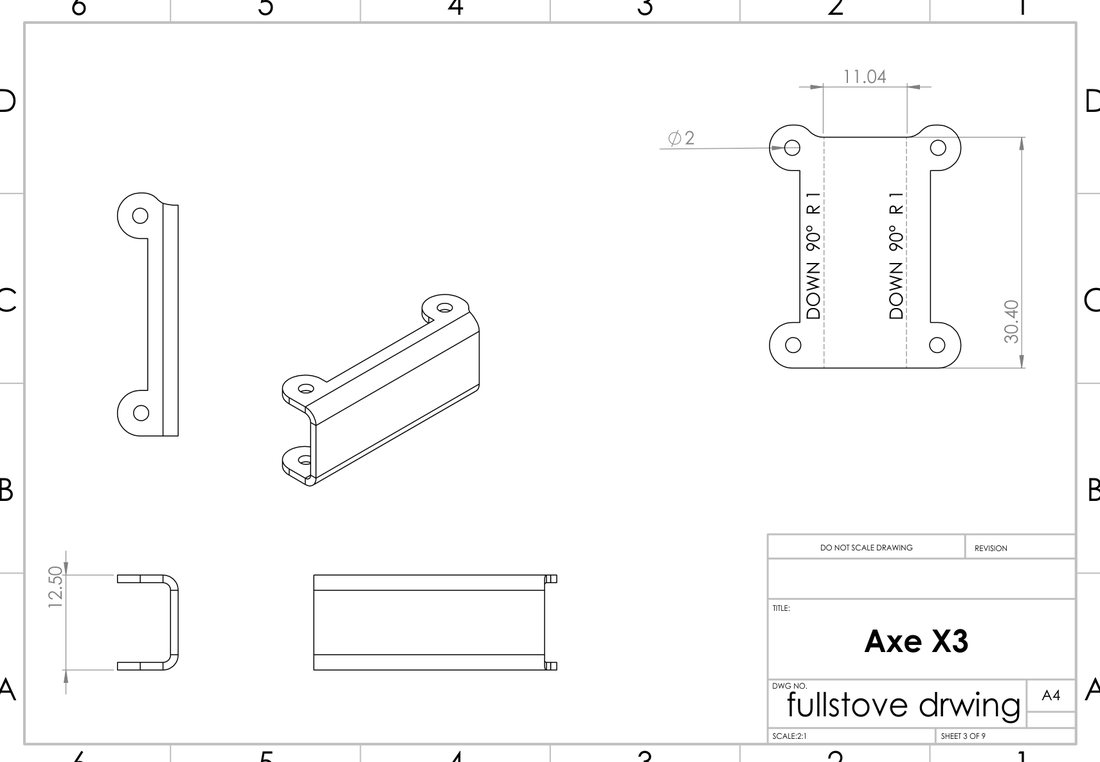
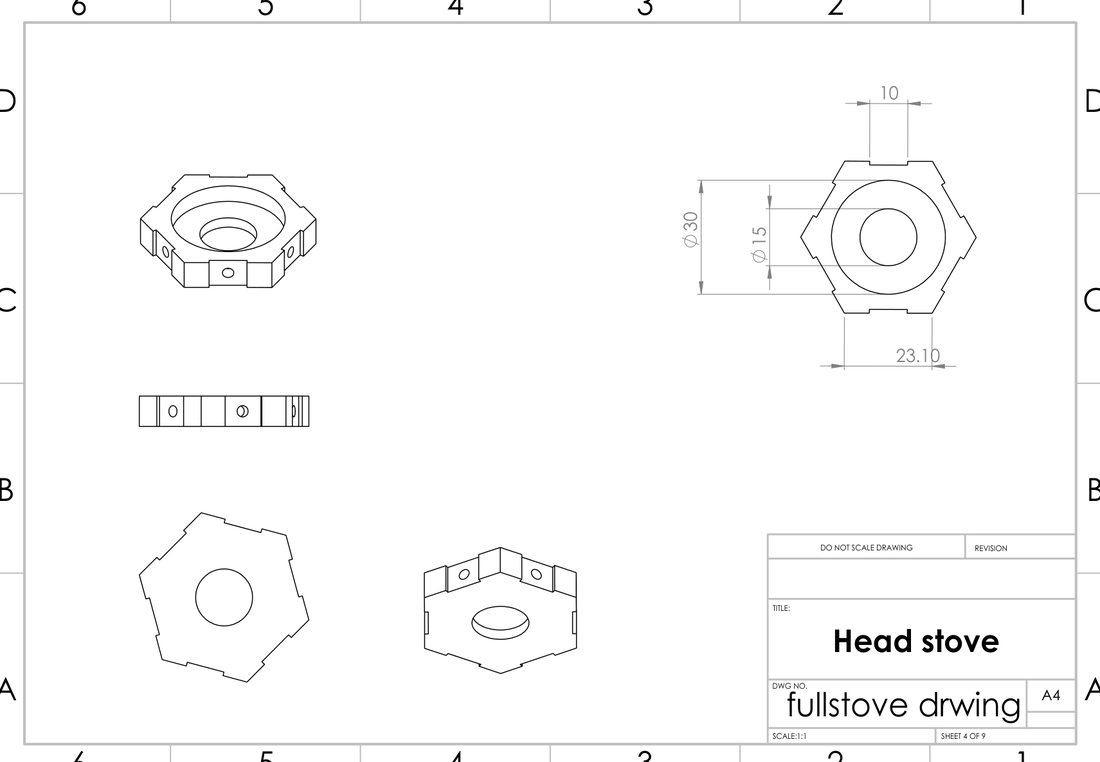
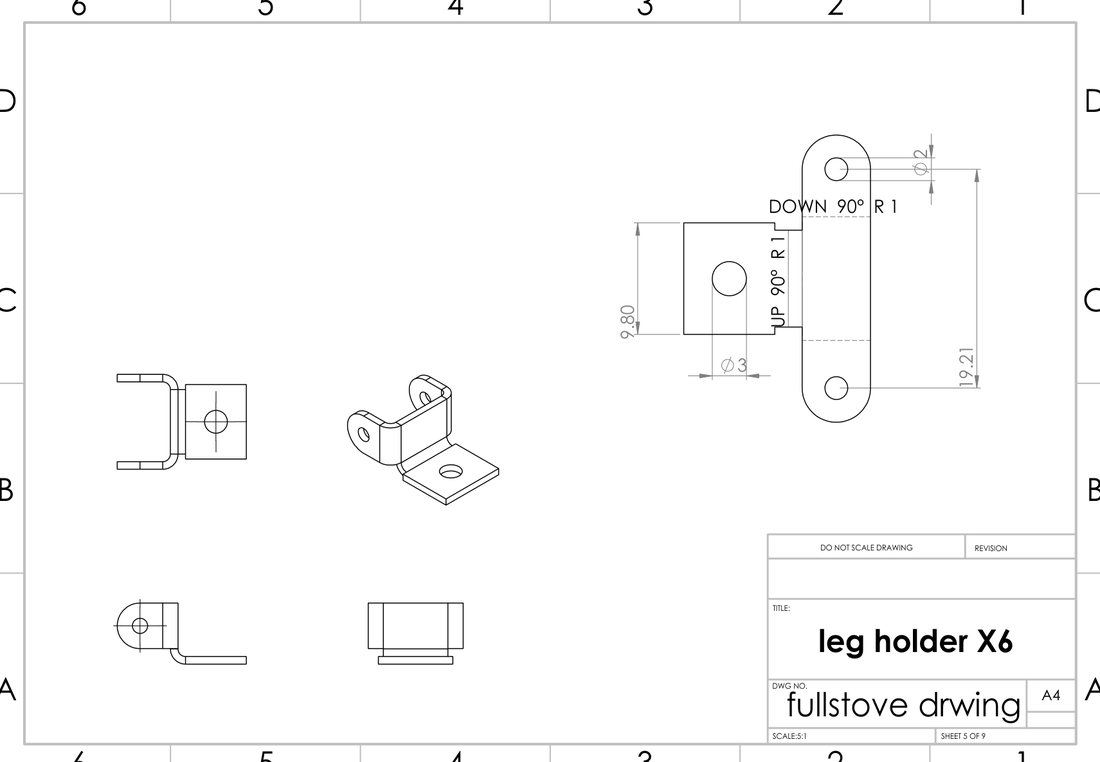
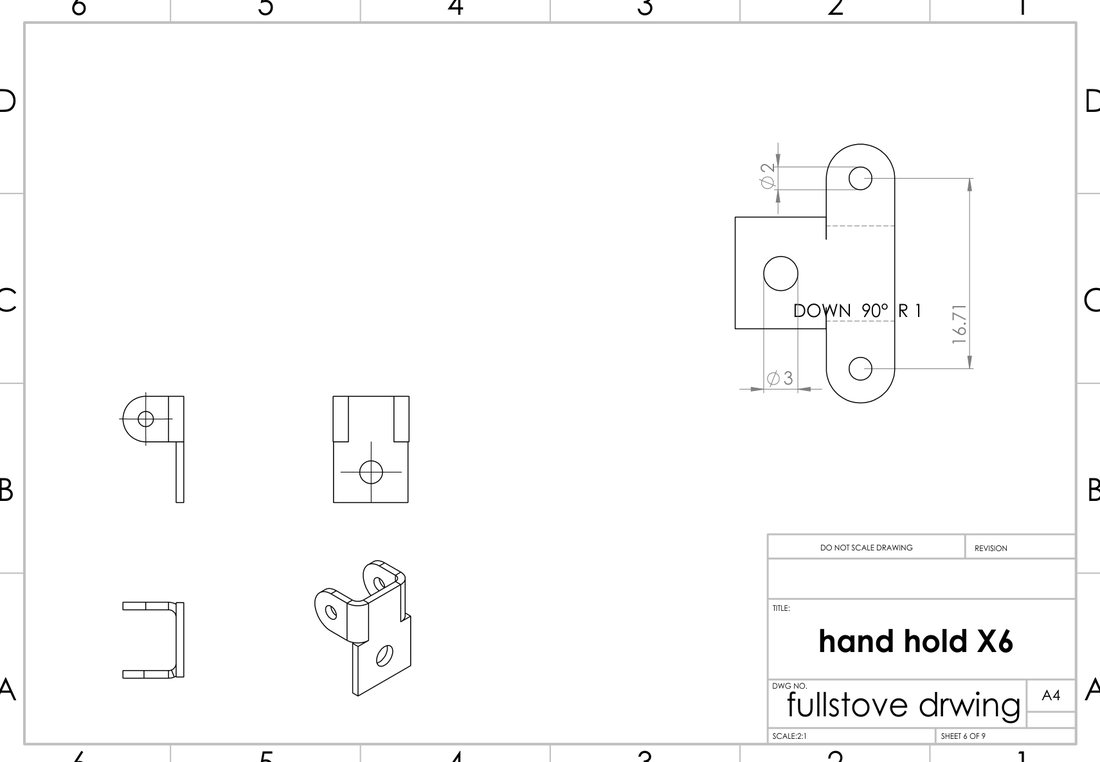
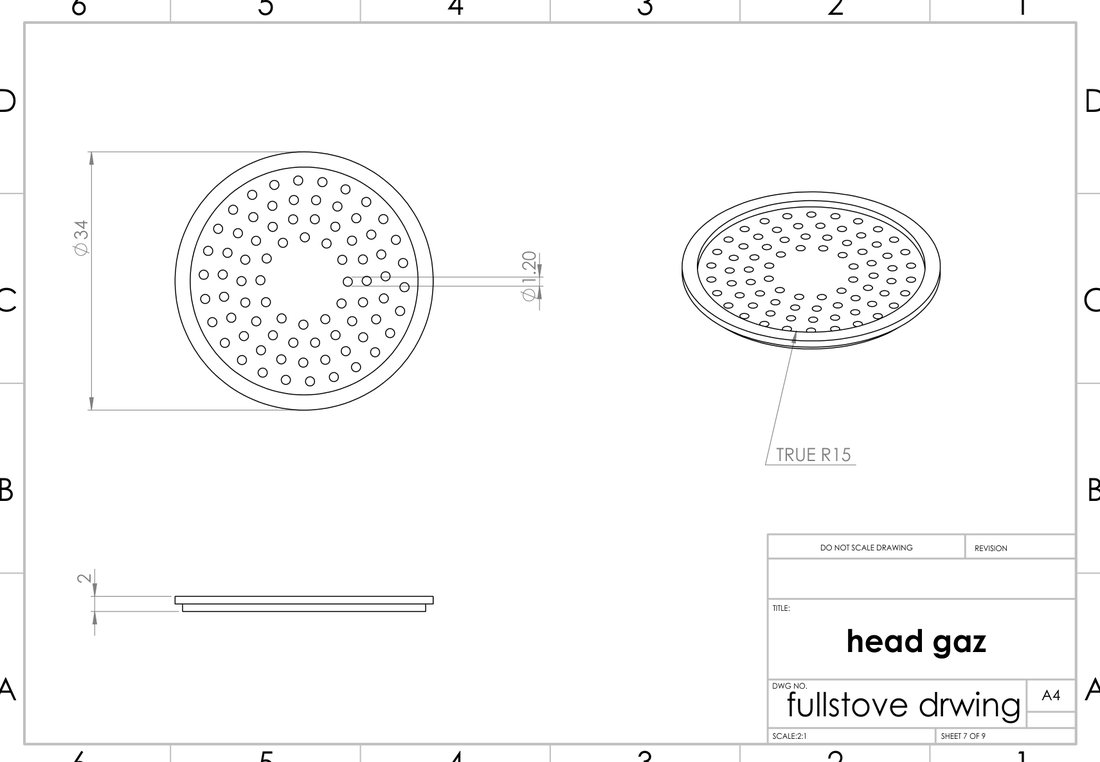
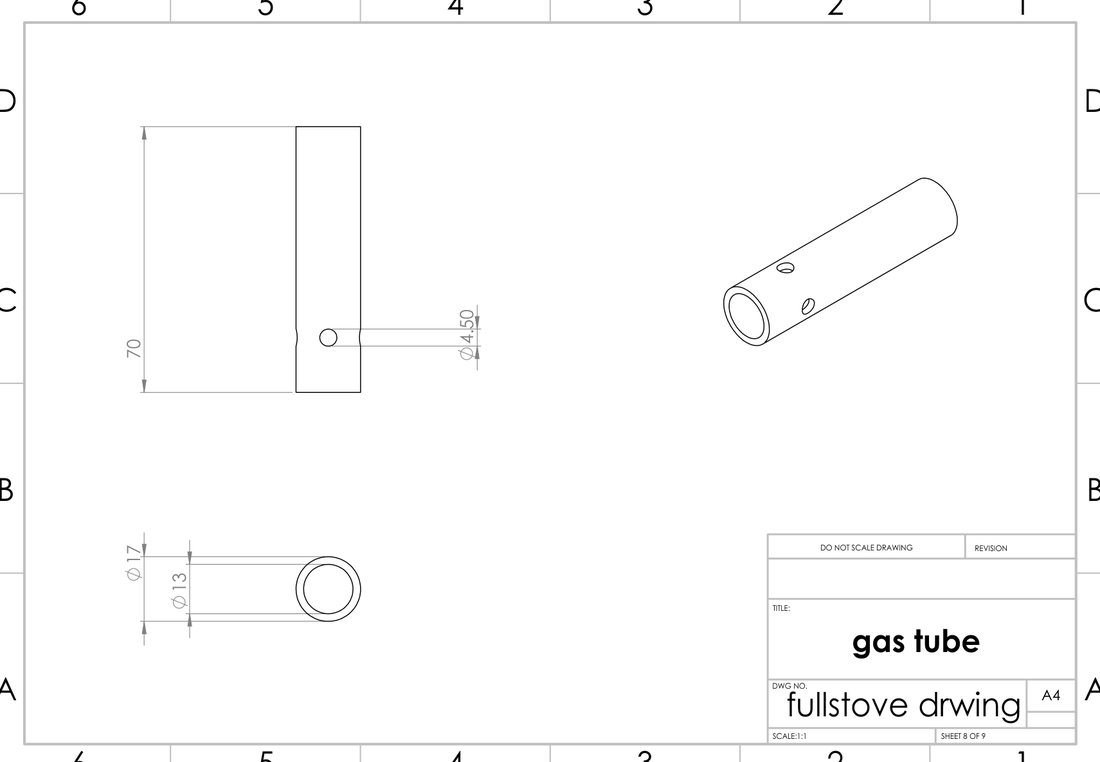
Nine parts, a drawing for each
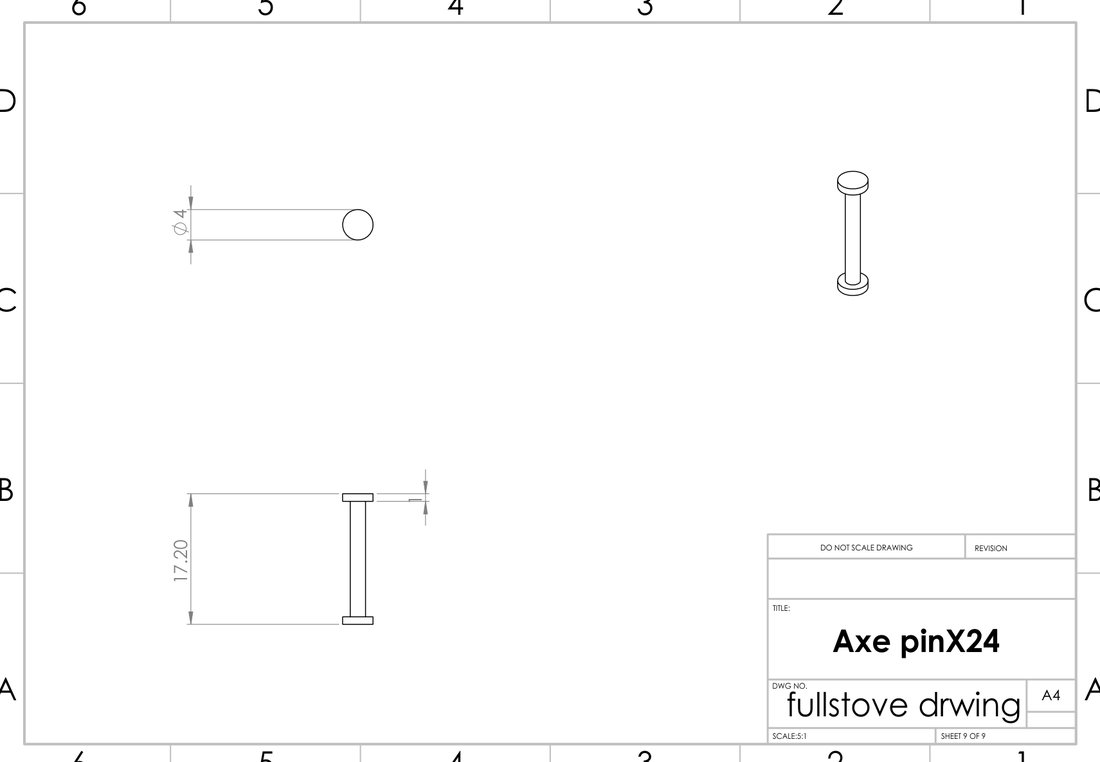
Before production every part got its own drawing, with dimensions, bend lines and quantities, so each piece was laser-cut and bent exactly to its place. Click a part to open the full drawing.

Light to carry, stable when open


A gas stove that fits in a pocket and opens on any stump


Silver winner at the A' Design Award
The gas stove won the Silver award of the A' Design Award in the Cookware and Serving category, in the 2018-2019 competition. It was shown at the winners' exhibition atMOOD, Museum of Design in Como, Italy, and was selected for an interview in the Design Legends series. In 2020 it was featured inYanko Design.


About the gas stove, the award, and the thinking behind them
What is the A' Design Award?
An international design competition held in Italy. Entries are judged by anonymous vote of a jury of professionals, academics and members of the press, against criteria set in advance. The Silver award goes to entries that reached the top five percent, and the winners are shown in an exhibition at MOOD, the Museum of Design in Como.
What exactly did the gas stove win for?
For the way the technology dictates the design. One push opens the legs and the pot support together, the gas pipe locks it open and seals it, and the hexagonal body with no sharp corners fits in a bag. Every part was laser-cut for one specific job, and nothing was added just for looks.
How did a wall anchor become a gas stove?
A plasterboard wall anchor expands when you tighten it. That property, one part that contracts and makes another part expand, was explored on steel tubes that were cut and reinforced at specific points. That made it possible to control the geometry, test hundreds of forms, and look for a product this mechanism really serves. The gas stove came at the end of the research, as the product where this mechanism does the most.
Why start from research and not from a sketch?
Because when you start from research, the first sketch already knows what can be manufactured. For the gas stove the research covered a wide range of existing stoves, products were taken apart in the workshop, there were meetings with metalworkers and gas specialists, and it was checked how far each metal holds, and only then was a prototype built that proves the idea works.
Why did the round tube become a hexagon?
The mechanism needed hinges, and a round tube does not give a flat surface for a hinge. Moving to a hexagon solved that, gave the three legs a symmetrical place, and along the way also left the gas stove with no sharp corners when it is closed.
How does the gas stove open?
You press the head and the base towards each other. The legs and the pot support open together, and once you screw the gas pipe into the base, it locks the mechanism in the open position.
How big is the gas stove?
Closed it is a cylinder 40 mm in diameter and 130 mm high, which fits in a backpack and even in a bottle holder. Open, the legs spread to a 130 mm diameter, and the pot support to 90 mm.
What is it made of?
Laser-cut and bent stainless steel. The head, the central tube and the base are CNC-machined brass, the hinges are heat-treated stainless steel rivets, and the parts are joined with stainless steel Allen screws.
I am not developing a gas stove. How does this relate to my project?
What carries over from the gas stove to your project is the way of thinking. It works for a lobby light, a railing or a product you want to bring to market: you look for a principle that works somewhere else, test the limits of the material and the production, and build a sample of the part that has not been tried yet before committing to everything else.
Can I develop a product with you from scratch?
Yes. We start by defining what the product needs to do and for whom, move on to research and a prototype, and finish with a production file any factory can work from. If all you have is an idea, that is enough to start with a conversation.
A free call · 30 minutes
Have an element that nobody knows how to build yet?
The element you imagined gets built the way you planned it, with a budget and a timeline you know in advance, and one address from the rendering to the installation. In a free 30 minute call we go over what you sent, and you leave with a direction: what can be built, from what material, and what the next step is.
And what happens after the call →
Write to me on WhatsApp


